


Introduction
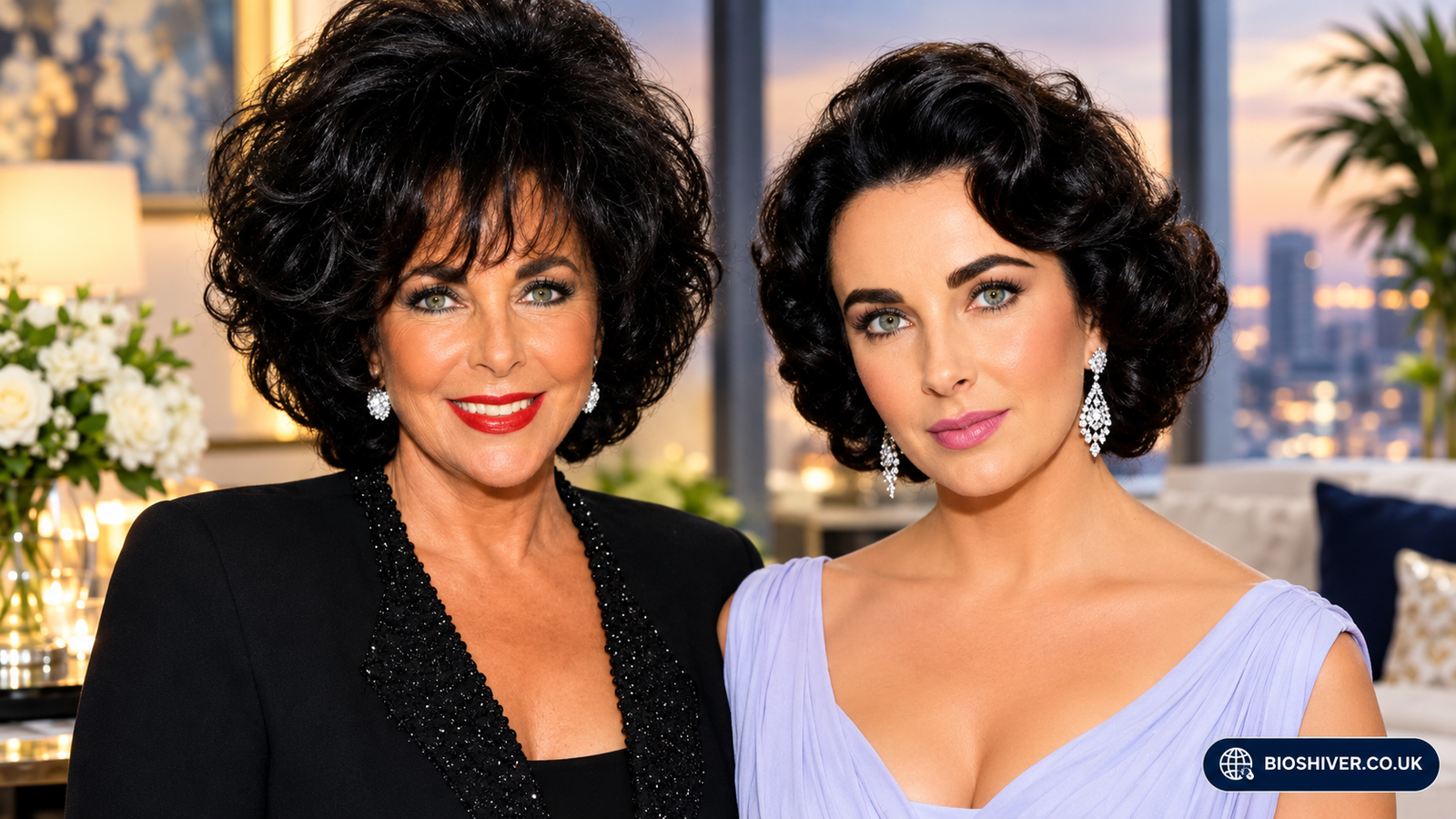
Karen Lynch and Elizabeth Taylor are two famous women who belong to very different worlds, yet people often search for their names together. Karen Lynch is a respected healthcare executive who spent years at Aetna and later led CVS Health as chief executive. Elizabeth Taylor was one of the biggest Hollywood actresses of the twentieth century and a powerful voice in the fight against AIDS.
This article explains who each woman is, what she achieved, and why readers might connect them. There is no known public partnership between them, so the article tells each story on its own and then explains the shared theme of health and public influence. It was written without live web research, so readers should confirm recent details on official company pages and trusted news sites.
Karen Lynch’s Early Career and Education
Karen Lynch built her path through education and steady work in business. She graduated from Boston College in 1984, and the school later honored her with its President’s Medal for Excellence. That connection shows how her story began in a traditional business leadership track before she reached the top of one of the largest companies in America.
Most of her career took place in the health insurance industry. Working there taught her how medical costs, government programs, and employer coverage fit together. Over the years she gained deep knowledge of Medicare Advantage, commercial plans, and the daily challenges of managing large teams. Her experience at insurers such as Aetna prepared her for the biggest job of her career.
Karen Lynch as CEO of CVS Health
Lynch became CEO of CVS Health in early 2021, replacing longtime leader Larry Merlo. She had joined the company when CVS acquired Aetna, and she led the insurance side before taking the top role. CVS is one of the largest companies in the country, with hundreds of thousands of employees, and her appointment drew attention because very few women lead businesses of that size.
Her plan was to turn a drugstore chain into a broader healthcare services business. Her tenure began while the stores were benefiting from COVID-19 vaccine demand, and she then pushed hard into care delivery. CVS spent about 8 billion dollars to buy the home health provider Signify Health and about 10.6 billion dollars on Oak Street Health, which runs clinics that treat Medicare Advantage patients. The idea was to bring medical care closer to patients and help control the overall cost of care.
Why Karen Lynch Stepped Down in 2024
In 2024, rising medical costs began to hurt the company’s insurance business. CVS lowered its financial expectations several times that year because of higher claims in Medicare Advantage and other government-backed plans. The share price fell sharply, and investors pressed the board to improve results.
In October 2024, David Joyner, a veteran CVS executive who ran its pharmacy benefit business, replaced Lynch as president and CEO. Analysts described the change as unexpected but understandable after another weak quarter. Her story is often used in business classes to show how quickly healthcare costs can change a company’s fortunes, even when a leader has a clear growth plan.
Elizabeth Taylor’s Rise to Hollywood Stardom
Elizabeth Taylor was born on February 27, 1932, in London, and she died on March 23, 2011, in Los Angeles. She became a child star in the 1940s through family films such as Lassie Come Home and National Velvet. By her teenage years she was already famous, and she grew into a leading lady during the golden age of classic Hollywood.
She won two Academy Awards, one for BUtterfield 8 and another for Who’s Afraid of Virginia Woolf?. She is also remembered for Cat on a Hot Tin Roof and the grand epic Cleopatra, where her glamour and her private life drew constant press attention. In 1999 the American Film Institute ranked her among the greatest actresses of all time. Her violet eyes, bold style, and strong personality made her a lasting icon.
Elizabeth Taylor’s AIDS Activism and Charity Work
Many people say her most important work happened away from film sets. She committed herself to the fight against AIDS in the early 1980s, at a time when many public figures stayed silent. After the death of her friend, actor Rock Hudson, in 1985, her efforts grew even stronger, and she used her fame to raise money for research and to push leaders to treat patients with dignity.
She co-founded the American Foundation for AIDS Research and later started her own charity, the Elizabeth Taylor AIDS Foundation, which supports care and prevention programs. She received the Jean Hersholt Humanitarian Award from the film academy and was named a Dame by Queen Elizabeth II. Her activism proved that a famous person can use attention to support public health, and it remains a central part of her legacy.
Marriages, Jewelry and Business Ventures
Taylor’s private life was as widely covered as her movies. She was married eight times to seven husbands, including actor Richard Burton, whom she married twice. Her relationships made headlines for decades, yet she often spoke about love, loyalty, and friendship with humor and honesty.
She was also a smart businesswoman. Her White Diamonds fragrance became one of the best-selling celebrity perfumes, and her love of fine jewelry became famous around the world. After her death, her collection was sold at auction and raised well over one hundred million dollars, with proceeds supporting her charity work. These ventures show how she turned fame into lasting commercial and charitable value.
Is There a Link Between Karen Lynch and Elizabeth Taylor?
No reliable source I know of shows that the two women worked together, met in a business setting, or belonged to the same organization. They also lived in different eras, since Taylor passed away in 2011, years before Lynch became a CEO. Readers should be careful with any website that claims a direct partnership or a shared project.
What they do share is a connection to healthcare and public attention. Lynch helped shape how millions of Americans receive insurance and medical services, while Taylor shaped how the public thought about AIDS awareness and compassion. This common theme is the most honest reason their names appear together in searches.
Conclusion
Karen Lynch and Elizabeth Taylor show two different ways to influence health and society. Lynch rose through insurance and pharmacy leadership to run CVS Health, made large bets on care delivery, and left the role in October 2024 after a hard financial year. Taylor built a legendary acting career and then used her fame to push for AIDS research, care, and understanding.
Because no public record links them directly, readers should rely on official company statements, trusted news outlets, and reputable biographies for accurate details. Both stories offer practical lessons: leaders must adapt when conditions change, and personal influence can create lasting good when it serves a clear cause.
